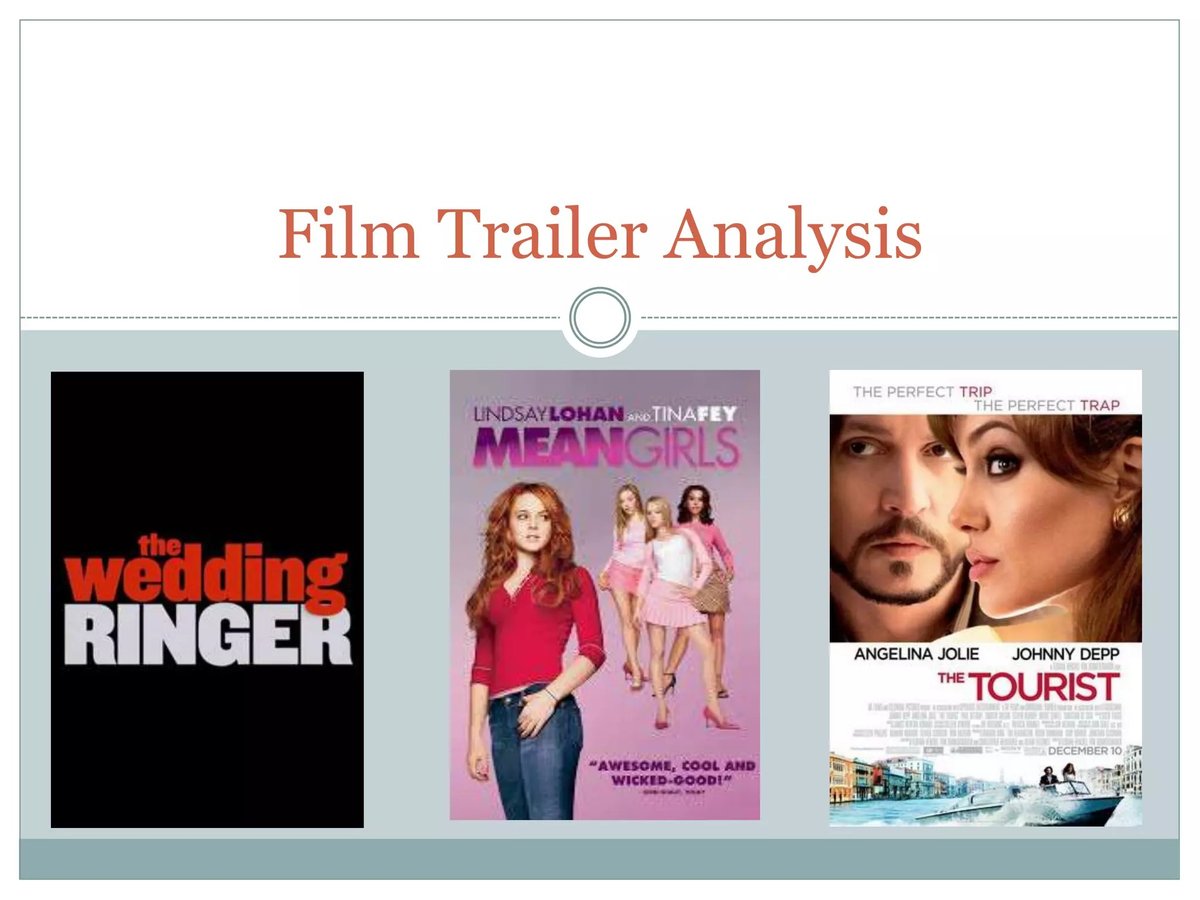
Ever wondered what truly hooks you on a movie before you even step into the theater? It's not magic; it's the meticulously crafted art of Trailer Analysis & Promotional Content. This isn't just about showing cool explosions or dramatic stares; it's a sophisticated psychological play, designed to build anticipation, define a film's identity, and ultimately, drive you to buy that ticket. In the cutthroat world of cinema, effective marketing through trailers and other promotional materials isn't just a bonus – it's the make-or-break factor that dictates a film's initial success and, often, its legacy.
A well-executed trailer acts as a film's ambassador, condensing hours of storytelling into a compelling, bite-sized experience. It’s a delicate balance: revealing just enough to intrigue, but holding back precisely what makes the final viewing worthwhile. From the rhythmic cuts to the booming score, every element is a calculated decision in a high-stakes game.
At a glance: Your essential guide to Trailer Analysis & Promotional Content
- Trailers are mini-narratives: They follow a condensed three-act structure to introduce, conflict, and hint at resolution.
- Visuals and audio are paramount: Color, lighting, cinematography, music, and sound design dictate mood and genre.
- Effective techniques are identifiable: Look for iconic scores, fast cuts, character introductions, and compelling visual effects.
- Posters reinforce branding: They visually distill a film's essence, conveying genre, tone, and star power instantly.
- Promotion impacts success: Marketing spend, view counts, and social engagement directly correlate with box office returns.
- Timing is everything: When promotional materials drop can make or break pre-release buzz and opening weekend performance.
- Creating promos is strategic: It involves meticulous planning, audience targeting, and adherence to industry standards.
Deconstructing the Narrative Powerhouse: How Trailers Tell a Story
Think of a trailer as a storyteller's highlight reel. It has to introduce characters, hint at the stakes, and leave you wanting more – all in a fraction of the full film's runtime. Analyzing a trailer means peeling back these layers, much like an archaeologist examining a complex artifact.
At its core, a trailer typically follows a condensed three-act narrative structure, echoing the very films they promote:
- Act 1: The Setup (0-30 seconds): This is where you meet the world and its inhabitants. You get a feel for the setting, the protagonist, and the initial status quo. It’s often calm before the storm, setting a foundation. For instance, the trailer for Inception (2010) quickly introduces Cobb and hints at the complex, mind-bending reality he operates within, setting a distinctly intellectual and mysterious tone.
- Act 2: The Confrontation (30-90 seconds): Here, the conflict emerges. What's the problem? Who's the villain? What's at stake? This section escalates the tension, showcasing the core challenges the characters will face. You'll see quick cuts, rising action, and perhaps a pivotal piece of dialogue that encapsulates the dilemma.
- Act 3: The Glimpse of Climax/Resolution (90 seconds - end): This final act teases the epic scale of the climax or a hint of the ultimate resolution, without giving anything away. It's designed to pay off the tension built in Act 2, often ending with a powerful visual, a chilling line, or a question that lingers. This is frequently accompanied by a release date and production logos, sealing the deal.
Pacing and editing are the heartbeat of this narrative structure. Fast cuts, often synchronized with a driving soundtrack, create a sense of urgency and excitement. Conversely, slower, more deliberate cuts, paired with a subdued score, build anticipation and dread. Consider the Jaws (1975) trailer: it masterfully uses John Williams' ominous two-note theme, not through fast cuts, but through growing musical tension and quick, terrifying glimpses of the unseen predator, creating palpable fear.
The Art of Sight and Sound: Visual and Audio Elements That Captivate
Beyond the narrative, trailers speak a language of visuals and sound. These elements aren't just decorative; they're foundational to how a film is perceived, shaping audience expectations before they even buy a ticket.
What You See: Visual Storytelling
Every visual choice in a trailer is a deliberate stroke on a canvas, establishing the film's tone, atmosphere, and underlying themes:
- Color Palette: A film's color scheme instantly communicates its genre and mood. A dark, desaturated palette often signals foreboding, grit, or a dystopian future, much like the iconic green-tinged world of The Matrix (1999). In stark contrast, a vibrant, saturated palette, bursting with color, can convey joy, romance, or fantasy, perfectly exemplified by the dreamlike hues of La La Land (2016).
- Lighting: The way a scene is lit can create drama, mystery, or warmth. High-contrast lighting with deep shadows can evoke a sense of danger or moral ambiguity, while soft, natural lighting might suggest realism or intimacy.
- Cinematography & Camera Angles: These choices profoundly impact how you perceive the story. Wide, sweeping shots can convey grandeur and epic scale, making you feel small within a vast world, as seen in the breathtaking landscapes of The Lord of the Rings (2001). Close-ups can build intimacy or reveal intense emotion, while handheld cameras might lend a sense of realism or urgency, mirroring the documentary-style feel often employed in films like The Social Network (2010).
What You Hear: The Power of Sound and Music
Sound is often the unsung hero of a trailer, capable of manipulating your emotions and building tension in ways visuals alone cannot.
- Sound Design: Beyond dialogue, meticulously crafted sound effects are vital. The thud of a fist, the screech of tires, the whisper of wind – these create a visceral connection, adding layers of realism or fantastical dread. They can make you jump, flinch, or lean in closer.
- Music & Score: This is perhaps the most powerful emotional lever. Music dictates pace, builds anticipation, and cues specific emotional responses. An escalating orchestral score can make your heart race, while a haunting melody can evoke sadness or mystery. Iconic scores, even when subtly reinterpreted, can instantly trigger familiarity and nostalgia, connecting a new film to a broader cinematic universe or an established genre.
Mastering the Hook: Effective Trailer Techniques That Resonate
Successful trailers aren't just about showing snippets; they're about strategically deploying techniques that grab attention and implant themselves in the viewer's memory. Recognizing these techniques elevates your understanding of film marketing.
Here are some tried-and-true methods:
- Iconic Scores or Music: Leveraging pre-existing, recognizable music provides an immediate emotional shortcut. Whether it's a re-imagined classical piece, a famous pop song, or a snippet from a beloved franchise score, it adds a layer of familiarity and hype. This intertextuality creates an instant connection, tapping into audience nostalgia or genre expectations.
- Fast-Paced, Dynamic Cuts: For action-packed genres, rapid-fire editing is essential. The trailer for The Avengers (2012), for example, is a masterclass in this, stitching together quick bursts of action, character introductions, and dramatic moments to create a high-octane experience that leaves you breathless. This technique conveys excitement, chaos, and the sheer volume of "stuff" happening in the film.
- Strategic Character & Plot Point Introductions: A great trailer doesn't just show everyone; it carefully introduces key characters and pivotal plot points. It highlights the main protagonist, hints at the antagonist, and establishes the core conflict without giving away the entire story. Think of how Marvel's Avengers: Endgame trailers carefully teased the return of certain characters and the gravity of their mission without spoiling major plot twists.
- Compelling Visual Effects & Cinematography: Highlighting a film's visual spectacle is a no-brainer. If a movie has groundbreaking visual effects or stunning cinematography, the trailer will showcase it front and center. This creates wonder, awe, or unease, depending on the film's genre, and acts as a powerful draw for audiences seeking a cinematic experience.
- Voiceovers with Gravitas: A well-placed voiceover, often by a key character or an omniscient narrator, can provide crucial context, build suspense, or even deliver a powerful philosophical statement that underpins the film's themes.
Ultimately, these techniques aim to condense a film's essence into a powerful 2-3 minute package, showcasing its key scenes, compelling actors, and most intriguing plot points. For those eager to catch the latest blockbusters and see these techniques in action, you can often find All Avatar Fire and Ash showtimes listed in advance.
Beyond the Screen: The Art of Film Poster Design
While trailers assault your senses with motion and sound, film posters are silent, static titans of promotion. They need to do a tremendous amount of heavy lifting with just one image and a few lines of text: capture attention, convey genre and tone, hint at the plot, and showcase star power.
The design process for a successful film poster is far from simple. It's a meticulous journey involving deep dives into target audiences, analyzing successful genre precedents, and countless iterations.
Key Elements of an Effective Poster
- Central Imagery: This is the immediate focal point. It could be a striking character shot, an iconic object, a dramatic landscape, or a symbolic abstract image. The imagery must resonate with the film's core themes.
- Color Palette: Like in trailers, color sets the mood. Dark, muted tones often suit thrillers and dramas; bright, vibrant colors are perfect for comedies or family films; metallic hues might suggest sci-fi or action.
- Typography: The font choice is crucial. A bold, angular font screams action or horror; an elegant script might suggest a romance or historical drama; quirky, hand-drawn letters fit an indie comedy. The typography reflects the film's personality.
- Composition: How elements are arranged on the poster guides the viewer's eye. A single, dominant figure suggests a character-driven story; a crowded composition with many faces implies an ensemble cast or complex plot. Strategic use of negative space can create mystery or elegance.
- Tagline: A memorable, concise tagline often provides that extra layer of intrigue or clarifies the film's central conflict. "In space, no one can hear you scream" for Alien is a classic example of genre-defining brevity.
The Collaborative & Iterative Process
Poster design is rarely a solo endeavor. It involves:
- Collaboration: Designers work closely with directors, producers, marketing teams, and even sometimes the lead actors to ensure the poster accurately reflects the film's vision.
- Multiple Iterations: Early concepts are often sketched, debated, and refined. Focus group testing plays a significant role here, gauging audience reactions to different designs, colors, and taglines. What resonates? What confuses?
- Market Adaptation: A poster designed for the US market might need significant adjustments for international territories, accounting for cultural sensitivities, language barriers, and different marketing conventions.
- Format Flexibility: Posters must be adaptable. A design that looks stunning on a massive billboard must also work on a tiny mobile screen, in vertical and horizontal layouts, and across various digital platforms.
A consistent visual brand identity, established by the poster and reinforced by other promotional materials, is key to building franchise recognition, a strategy perfectly exemplified by the sprawling Marvel Cinematic Universe.
Measuring the Buzz: The Impact of Promotional Campaigns
Creating a compelling trailer or an iconic poster is only half the battle. The real victory lies in how effectively these materials are distributed and how they resonate with the target audience. The impact of promotional campaigns is tangible, directly influencing a film's bottom line.
The Correlation Between Spend and Success
It's no secret that marketing spend often correlates with box office returns. Studios pour millions into promotion because they understand its power. A substantial marketing budget allows for wider reach, more frequent exposure, and the creation of high-quality assets that truly stand out. While a massive marketing spend doesn't guarantee a hit, it significantly increases the odds of a strong opening weekend.
Key Metrics for Measuring Effectiveness
How do marketers know if their efforts are paying off? They track a variety of metrics:
- Trailer View Counts: How many times has the trailer been watched across platforms like YouTube, social media, and dedicated movie sites? High view counts signal initial interest.
- Social Media Engagement: Likes, shares, comments, mentions, and the creation of fan theories surrounding promotional content are vital indicators of organic buzz. Hashtag trends and user-generated content are pure gold for marketers.
- Pre-sale Ticket Numbers: This is a direct measure of intent. Strong pre-sale figures are a powerful indicator of a film's opening weekend potential and audience enthusiasm.
- Media Coverage & Reviews: The volume and tone of articles, reviews, and discussions generated by promotional materials contribute to overall public perception and interest.
The Critical Role of Timing
When promotional material is released is almost as important as the material itself.
- Building Anticipation: Teasers and trailers are strategically deployed months in advance, slowly escalating the hype. Releasing too much too early can lead to audience fatigue; revealing too much too soon can spoil the plot. It's a delicate dance of drip-feeding information.
- Word-of-Mouth (WOM): This remains one of the most powerful marketing tools. A captivating trailer that gets people talking, debating, and recommending it to friends and family can significantly impact opening weekend performance. WOM is often sparked by early promotional drops.
- Consistent Branding: From the first teaser to the final poster, maintaining a consistent brand identity across all promotional materials builds recognition and reinforces the film's genre and tone. This is particularly effective for franchise films, where a consistent look and feel (e.g., the distinct aesthetic of the Marvel Cinematic Universe) helps audiences instantly recognize and connect with the brand.
From Concept to Creation: Crafting Your Own Promotional Materials
Understanding trailer analysis and promotional content isn't just for critics or marketers; it's a valuable skill for any aspiring filmmaker, content creator, or even just a curious fan. What if you wanted to craft your own mock promotional materials? Here's a simplified breakdown:
Developing Your Core Concept
Before you create anything, you need a compelling concept. This often starts with:
- A Logline: A single, concise sentence that describes your film's premise, protagonist, and central conflict. (e.g., "A disillusioned ex-astronaut must lead a desperate mission back to a dying Earth to retrieve a forgotten energy source before humanity's last hope fades.")
- Target Demographic: Who are you trying to reach? Teens, adults, families, sci-fi fanatics, rom-com lovers? Your creative choices will heavily depend on this.
- Tone and Genre: Is it a gritty thriller, a whimsical fantasy, a heartwarming drama? Stick to one primary tone and genre to avoid confusing your audience.
Creating a Mock Trailer
With your concept locked down, you can start building your trailer:
- Script/Shot List: Even if you don't have actual footage, imagine the key scenes you'd show. Write down a sequence of shots, dialogue snippets, and visual cues that align with the three-act trailer structure. Think about what visual will represent the setup, the conflict, and the climax.
- Music & Sound Effects Selection: Choose music that evokes your desired mood. If it's a horror film, find tense, atmospheric tracks. For action, look for driving, rhythmic beats. Sound effects can enhance imagined scenes – a creaking door, a futuristic laser blast, a dramatic explosion.
- Editing for Tension & Pacing: Mentally (or actually, if using stock footage) "edit" your trailer. How fast are the cuts? Where do you slow down to build suspense? Where do you accelerate to convey urgency?
- Text & Graphics: What title card would you use? What font? Would you include a tagline? When would the release date appear?
Designing a Mock Poster
For a poster, the focus shifts to a single, powerful image and text hierarchy:
- Central Image Selection: What's the most iconic, genre-defining image you can use? A lone figure, a fantastical creature, a dramatic confrontation?
- Color Scheme & Typography: Choose a color palette and font style that instantly communicate your film's genre and tone.
- Composition: Arrange your central image, title, and tagline in a way that is visually appealing and draws the eye. Consider balance, contrast, and hierarchy.
- Consistency Check: Does your poster's tone, genre, and imagery align perfectly with your mock trailer? Consistency across all promotional materials is crucial for effective branding.
Always remember to appeal directly to your target demographic, ensure your materials stand out from the crowd, and adhere to any relevant industry standards (like imaginary MPAA ratings or legal disclaimers, if you're going for hyper-realism).
Common Questions & Misconceptions About Film Promotion
Q: Do trailers spoil movies?
A: It's a common complaint! A good trailer aims to intrigue, not reveal. However, some trailers, in an effort to attract the widest audience, do give away major plot points or even the climax. The art is in hinting at the "what" without giving away the "how" or "why."
Q: Are teasers and trailers the same thing?
A: Not quite. A teaser is typically shorter (30-60 seconds), released much earlier in the production cycle, and focuses on mood, tone, and a very brief glimpse of the film without much plot. A trailer is longer (2-3 minutes), released closer to the film's premiere, and provides a more detailed look at the plot, characters, and overall experience.
Q: Is social media engagement truly important for a movie?
A: Absolutely! Social media engagement – likes, shares, comments, fan theories, memes – indicates organic buzz. It’s word-of-mouth amplified and gives studios real-time feedback on what's resonating with potential viewers, directly influencing opening weekend numbers and sustained interest.
Q: Do film posters still matter in the digital age?
A: Yes, perhaps even more so! While physical billboards are still impactful, digital posters are vital. They are the primary visual identifier on streaming platforms, ticketing apps, and social media feeds. A compelling thumbnail image (a digital poster) can be the difference between a scroll past and a click to learn more.
Your Next Act: Becoming a Savvy Film Consumer and Creator
Understanding trailer analysis and promotional content isn't just about dissecting marketing campaigns; it's about becoming a more discerning viewer and, perhaps, a more effective creator. You now have the tools to look beyond the surface, to appreciate the deliberate choices behind every cut, every musical cue, and every pixel on a poster.
So, the next time you encounter a movie trailer or a striking film poster, don't just consume it passively. Engage with it. Ask yourself:
- What story is this trailer trying to tell in two minutes?
- How do the colors and sounds make me feel?
- What techniques are being used to hook me?
- Does the poster effectively convey the film's essence?
By actively analyzing these elements, you'll not only deepen your appreciation for the craft of filmmaking but also gain a powerful insight into the psychology of persuasion that drives cinematic success. Whether you're a casual moviegoer, an aspiring marketer, or a budding filmmaker, this nuanced understanding empowers you to navigate the exciting world of cinema with a fresh perspective.