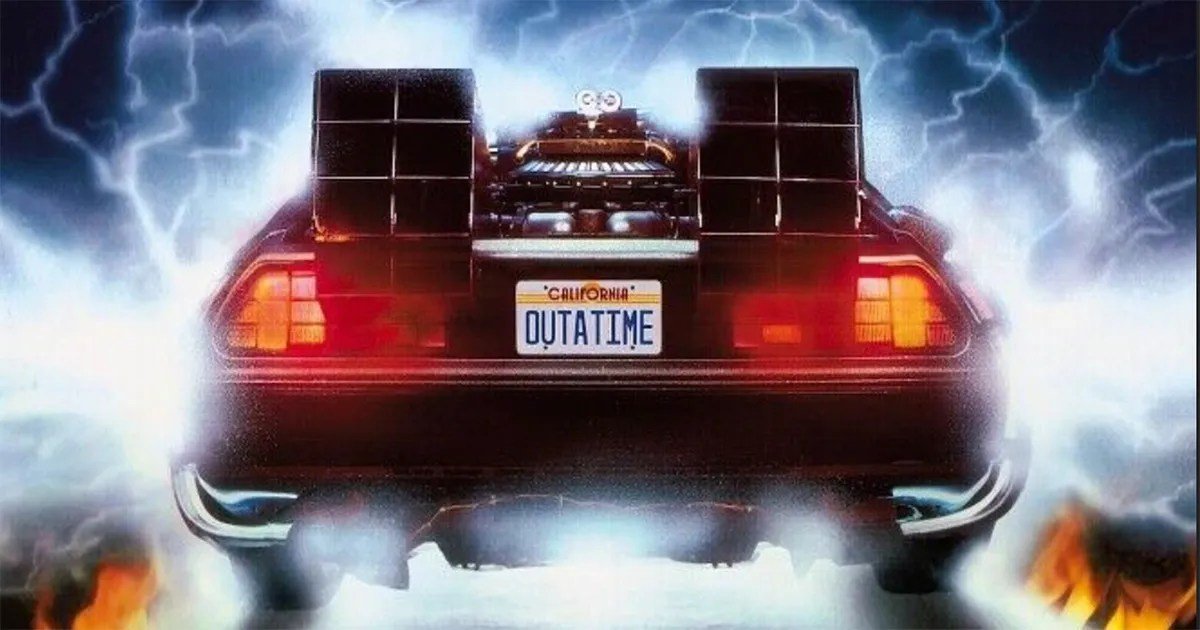
Remember the days when a hit movie just… was? A singular triumph like Jaws or a groundbreaking phenomenon like the original Star Wars? While those films stand alone as masterpieces, their success quickly ignited a spark that would forever change Hollywood: the sequel. Today, the Sequel & Franchise Future isn't just about direct continuations; it's a meticulously crafted ecosystem of interconnected narratives, sprawling universes, and multi-platform experiences that drive the very engine of cinematic storytelling. This isn't just business as usual; it's an art form evolving at warp speed, demanding a delicate balance between respecting legacy and fearlessly innovating.
What started as a direct response to a box office triumph, like the quick follow-up of Bride of Frankenstein to its monstrous predecessor, has blossomed into the "cinematic universe" concept. Think about the Marvel Cinematic Universe (MCU), a sprawling narrative web spun across dozens of films and streaming series, where every new entry builds on a shared history while pushing the story forward. This complex dance between past and future, between what audiences expect and what creative teams can surprise them with, is the heart of modern franchise filmmaking.
At a Glance: The Future of Franchises
- Evolution is Key: From simple sequels to intricate cinematic universes, franchise filmmaking constantly adapts.
- Success Factors: Originality balanced with familiarity, deep character arcs, consistent continuity, and smart universe expansion are non-negotiables.
- Economic Powerhouse: Franchises are massive financial undertakings, driving billions through box office, merchandise, and new media.
- Creative Crossroads: Filmmakers navigate a unique space, balancing creative vision with established lore and collaborative, long-term planning.
- Audience Engagement: Sustained fan interaction, fueled by social media and immersive storytelling, is crucial for longevity.
- Technological Frontier: Streaming, VR/AR, and diverse narratives are shaping how franchises will look and feel next.
The Unstoppable Rise of the Cinematic Universe
The journey from standalone film to sprawling franchise is one of the most compelling narratives in Hollywood itself. Initially, sequels were often opportunistic, a studio looking to cash in on a popular character or story. Think of Universal's monster movies in the 1930s, where the success of Frankenstein naturally led to Bride of Frankenstein, laying early groundwork for interconnectedness. However, the game truly changed with the advent of the "cinematic universe" model.
The MCU didn't invent the idea of interconnected stories, but it perfected it, demonstrating how a vast tapestry could be woven across multiple films and even media types. This strategic, multi-faceted approach combines creative vision with intense audience engagement and cutting-edge technological innovation. It’s about building worlds so rich that audiences don't just visit them for two hours; they live in them, eagerly awaiting the next chapter. Literary adaptations, such as the Harry Potter and The Lord of the Rings sagas, further refined this, showing how maintaining narrative continuity and character development across numerous installments could translate critical and commercial success into enduring cultural phenomena.
The DNA of a Blockbuster Sequel: What Works (and Why)
Crafting a successful sequel is far more complex than simply pressing "repeat." It’s a delicate alchemy, demanding filmmakers to respect the original's magic while daring to explore new territory. When it works, it elevates the entire franchise; when it falters, it can tarnish a legacy.
1. The Art of Balance: Originality Meets Familiarity
A truly great sequel understands that audiences want both comfort and surprise. They want to revisit beloved characters and worlds, but they also crave a fresh narrative hook. Consider The Dark Knight, which retained the core essence of Batman while elevating the stakes and psychological complexity to unprecedented levels. It felt familiar, yet utterly original. This balance is critical; leaning too heavily on familiarity risks being a bland rehash, while too much originality can alienate the established fanbase.
2. Character Journeys That Resonate
Characters aren't static. In a franchise, their evolution is paramount. Audiences invest emotionally in characters who grow, change, and face new internal and external challenges. The Toy Story series is a masterclass in this, consistently evolving its characters, particularly Woody and Buzz, through profound emotional arcs that reflect universal experiences of friendship, purpose, and letting go. A sequel isn't just about what happens next; it's about who the characters become.
3. Continuity: The Unbroken Thread
Consistency is the bedrock of any successful franchise. This isn't just about plot points matching up, but about maintaining the storytelling style, tone, and quality that defined the original. The Harry Potter series, across eight films adapted from seven books, is a prime example. Despite changing directors and evolving production scales, it maintained a remarkable sense of continuity in its magical world, character arcs, and overarching narrative, ensuring fans felt a seamless journey from start to finish. Losing this thread can quickly break the spell for audiences.
4. Strategic Universe Expansion
A sequel shouldn't just repeat; it should expand. This means exploring new themes, introducing intriguing settings, and deepening the mythology of the world. Star Wars: The Empire Strikes Back didn't just give us more lightsaber duels; it expanded the galaxy, introduced new characters, and dramatically raised the emotional stakes, adding layers of depth that transformed a fun adventure into a sprawling saga. This expansion can provide new dimensions to a familiar story, keeping it fresh and engaging. The continued adventures of Peter Parker in Spider-Man: Brand New Day will undoubtedly need to navigate this careful expansion while respecting the beloved character.
Beyond the Rehash: Mastering Originality in Familiar Worlds
The inherent challenge of sequel filmmaking is expansion without replication. How do you create something new and exciting when the foundational elements are already established? It's a tightrope walk where genuine creativity is the safety net.
One powerful approach is to deepen the existing characters and narrative complexity. Mad Max: Fury Road, for instance, didn't just revisit the Wasteland; it pushed the visual storytelling and thematic depth to new extremes, reimagining the character of Max within a relentlessly innovative action spectacle. It respected the gritty aesthetic while reinventing the narrative drive.
Another effective strategy is to shift genres or tones. Aliens took the claustrophobic horror of Alien and transformed it into an exhilarating action thriller, proving that a franchise could evolve dramatically while staying true to its core. This bold move can invigorate a series, offering audiences a fresh perspective on a familiar universe.
Crucially, success in these ventures hinges on respecting established lore and character arcs. Deviating too wildly or disregarding what fans have come to know and love can lead to backlash and disengagement. The goal is to ensure the sequel feels like a natural, yet exciting, progression—a new chapter that honors the spirit of the past rather than erasing it. This careful balancing act will be crucial for upcoming entries like Dune: Part Three, continuing the intricate narrative of Paul Atreides, which has a rich literary source to draw upon while needing to innovate cinematically.
The Billions at Stake: The Economics of Franchise Filmmaking
Franchise filmmaking is not merely an artistic endeavor; it’s a high-stakes financial game with the potential for immense rewards. The economics involved are staggering, reflecting the significant investment required and the multi-layered revenue streams generated.
Building a cinematic universe, or even a single high-profile sequel, requires substantial capital. Budgets for these films can easily soar into the hundreds of millions, increasing the financial risk exponentially. While successes like the MCU or Star Wars can generate billions through box office, merchandising, and media sales, failures can lead to significant losses, as seen with films like Justice League. The more established a franchise, the more it might command a larger budget, betting on its proven track record to deliver returns.
But the box office is just one piece of the puzzle. Merchandising is an absolutely crucial revenue stream. From toys and clothing to video games and theme park attractions, the intellectual property of a beloved franchise can be leveraged across countless products. The Harry Potter franchise, for example, has generated billions beyond ticket sales through books, toys, clothing, and even theme park experiences, proving the enduring power of brand loyalty. This multi-pronged approach ensures that a franchise continues to generate income long after its theatrical run.
Finally, an extensive, multi-platform marketing campaign is indispensable for building hype and ensuring a strong box office opening. Teasers, trailers, behind-the-scenes content, and interactive fan experiences are carefully orchestrated across digital and traditional media for months, sometimes years, leading up to a release. This sustained engagement transforms anticipation into ticket sales, underpinning the entire economic model. When considering Fast X: Part 2, aiming to conclude a saga that has captivated audiences for decades, the marketing machine behind it will be as powerful as the action on screen.
Creative Constraints & Collaborative Visions: Inside the Franchise Machine
While franchises offer unparalleled opportunities for grand storytelling, they also introduce a unique set of challenges and constraints for the creative process. Filmmakers stepping into an established universe aren't starting from a blank page; they're inheriting a legacy.
The need for consistency in style, tone, and narrative across multiple installments can significantly influence creative freedom. Directors and writers must align their individual visions with pre-established worlds, intricate lore, and beloved characters. This was evident in the Star Wars sequel trilogy, where different creative teams attempted to navigate pre-existing expectations while adding their own stamp, often leading to public debate about continuity and character direction. It’s a delicate balancing act of respecting the past while forging a path to the future.
Long-term planning is a hallmark of the cinematic universe concept, particularly exemplified by the MCU. This isn't just about writing one script; it involves coordinating plot points, character developments, and even visual elements across multiple films and years into the future. Such a demanding environment requires an extraordinary level of collaborative and coordinated effort among an army of filmmakers, producers, and writers. It's less about a singular auteur's vision and more about a shared, evolving narrative blueprint.
Casting, too, becomes profoundly significant. Actors often become synonymous with their characters, shaping audience expectations and emotional investment. Recasting can be a jarring experience for fans, and an actor's longevity with a role can define a franchise's endurance. Imagine the challenge for Shrek 5, ensuring further adventures in the beloved Far, Far Away kingdom, where the voices are as iconic as the characters themselves.
The Lifeline of Longevity: Keeping Audiences Hooked
A franchise's true success isn't measured by a single opening weekend, but by its ability to sustain audience engagement over years, even decades. This longevity is built upon a foundation of immersive storytelling and strong community building.
At its core, success comes from crafting immersive worlds populated by compelling characters. The MCU's enduring appeal, for instance, is rooted not just in its action, but in the nuanced character development of figures like Tony Stark, whose journey captivated millions. Audiences become deeply invested when characters are complex, relatable, and evolve meaningfully over time.
Strategic narrative techniques also play a vital role. Cliffhangers and unresolved story arcs, like those at the end of Avengers: Infinity War, are powerful tools to generate anticipation and keep audiences eagerly awaiting the next installment. This sense of continuity and ongoing story encourages repeat viewership and fosters a desire for the franchise to continue.
Beyond the screen, social media and fan communities have emerged as indispensable allies in cultivating sustained engagement. These platforms foster discussion, analysis, and a profound sense of community around a franchise. Fan theories, shared experiences, and direct interaction with creators via social channels transform passive viewing into an active, ongoing relationship with the story world. This collective investment turns viewers into advocates, ensuring the franchise remains a vibrant part of cultural conversation.
The Horizon: How Technology & Trends Shape the Next Chapter
The Sequel & Franchise Future is not a static blueprint; it's a dynamic landscape constantly adapting to new technologies, evolving storytelling methods, and shifting audience expectations. The next chapter promises even greater innovation and immersion.
Streaming platforms, such as Netflix and Disney+, have already fundamentally reshaped how franchises are consumed and produced. They offer expanded storytelling possibilities within shared universes, allowing for longer-form narratives, deeper character dives, and parallel stories that complement cinematic releases. This multi-platform approach means franchises can live across various screens, reaching audiences wherever they are. We see this with how a sequel might be a theatrical release, but supplementary stories or character arcs unfold on a streaming series, enriching the overall universe.
Looking ahead, advanced technologies like virtual reality (VR) and augmented reality (AR) are poised to create even more interactive and immersive experiences. Imagine stepping into the world of your favorite franchise, interacting with characters, or influencing narrative choices in real-time. These technologies could transform passive viewership into active participation, adding entirely new dimensions to how audiences engage with stories. For those who seek the latest updates on epic cinematic events, these immersive technologies promise experiences far beyond the traditional theater.
There's also a clear and growing trend towards more diverse and inclusive storytelling. Modern audiences demand stories that reflect the rich tapestry of the real world, featuring diverse characters, perspectives, and experiences. Recent MCU films, for example, have increasingly embraced this, bringing a broader range of voices and identities to the forefront. This isn't just about representation; it's about expanding the thematic possibilities of a franchise, making it resonate with an even wider, more global audience. The upcoming The Hunger Games: Sunrise on the Reaping, revisiting the intricate world of Panem, will undoubtedly explore relevant themes through its established narrative.
Your Sneak Peek: What's Next in the Franchise Pipeline
The conveyor belt of sequels and franchise extensions shows no signs of slowing down. As studios continue to invest in proven intellectual property, audiences can look forward to a plethora of new adventures in familiar worlds.
The horror genre continues its legacy with Scream 7, where a new Ghostface killer is set to emerge, proving that even decades-old franchises can find fresh blood (literally). Animated classics are also getting new chapters, with Toy Story 5, promising a fresh blend of 'Toy meets Tech', keeping beloved characters relevant for new generations while Shrek 5, ensuring further adventures in the beloved Far, Far Away kingdom continues the journey of the ogre and his friends.
Whether it’s the continuation of an action-packed saga like Fast X: Part 2 or the revisiting of iconic fantasy realms, the future of cinema is deeply intertwined with the future of franchises. These films are not merely cash grabs; they are complex artistic and economic endeavors that push the boundaries of storytelling, technology, and audience engagement, keeping the magic of cinema alive and ever-evolving.
Navigating the Future of Storytelling
The Sequel & Franchise Future is an exciting, complex, and sometimes daunting landscape. For filmmakers, it’s a canvas of immense possibility but also significant constraint, demanding innovation within established parameters. For studios, it's a high-stakes gamble with multi-billion-dollar potential. For audiences, it’s an ongoing invitation to return to beloved worlds, watch characters grow, and experience stories that unfold over years, becoming part of their own cultural fabric.
As technology advances and audience expectations shift, the nature of these stories will continue to transform. We'll see more interactive experiences, more diverse voices, and perhaps even more seamless integration across different media. The core challenge, however, will remain the same: how do you keep a story fresh, compelling, and relevant, year after year, without betraying the original spark that made it special? The answers to that question will continue to define the evolving art of cinematic storytelling.